For the last two years, the AI conversation has been dominated by copilots, chat assistants, and increasingly powerful language models. The demos have been impressive and the pilots have been promising, but for many organisations, the reality has felt underwhelming.
At best, AI has often behaved like a highly sophisticated Q&A machine. Useful? Absolutely. Transformational? Not always.
The challenge has never really been intelligence. Today’s AI models are already incredibly capable. The real challenge is context.
Microsoft Build 2026 brought that shift into focus. Microsoft’s vision, which they’re calling Microsoft IQ, moves beyond model capability and towards context. Rather than focusing solely on model capability, it introduces a unified context layer that helps AI understand how work actually happens, what business data means, and what it should or shouldn’t have access to.
The result is a meaningful shift in how organisations should think about AI adoption.
Why are AI projects struggling to deliver value?
We’re all familiar with the fact that AI can summarise meetings, draft emails, analyse documents and answer questions. However, when asked to support complex business processes, connect information across teams, or make informed recommendations, it frequently falls short.
This is because AI often lacks three critical forms of context:
- An understanding of how work happens across the organisation
- An understanding of what business data actually means
- An understanding of organisational rules, policies and permissions
Without these foundations, AI remains disconnected from the reality of the business. Microsoft IQ is designed to close that gap.
What is Microsoft IQ?
Microsoft IQ is Microsoft’s vision for providing enterprise AI with organisational context.
Rather than treating AI as a standalone assistant, it creates a foundation that helps AI understand the people, processes, data and governance structures that sit behind the business.
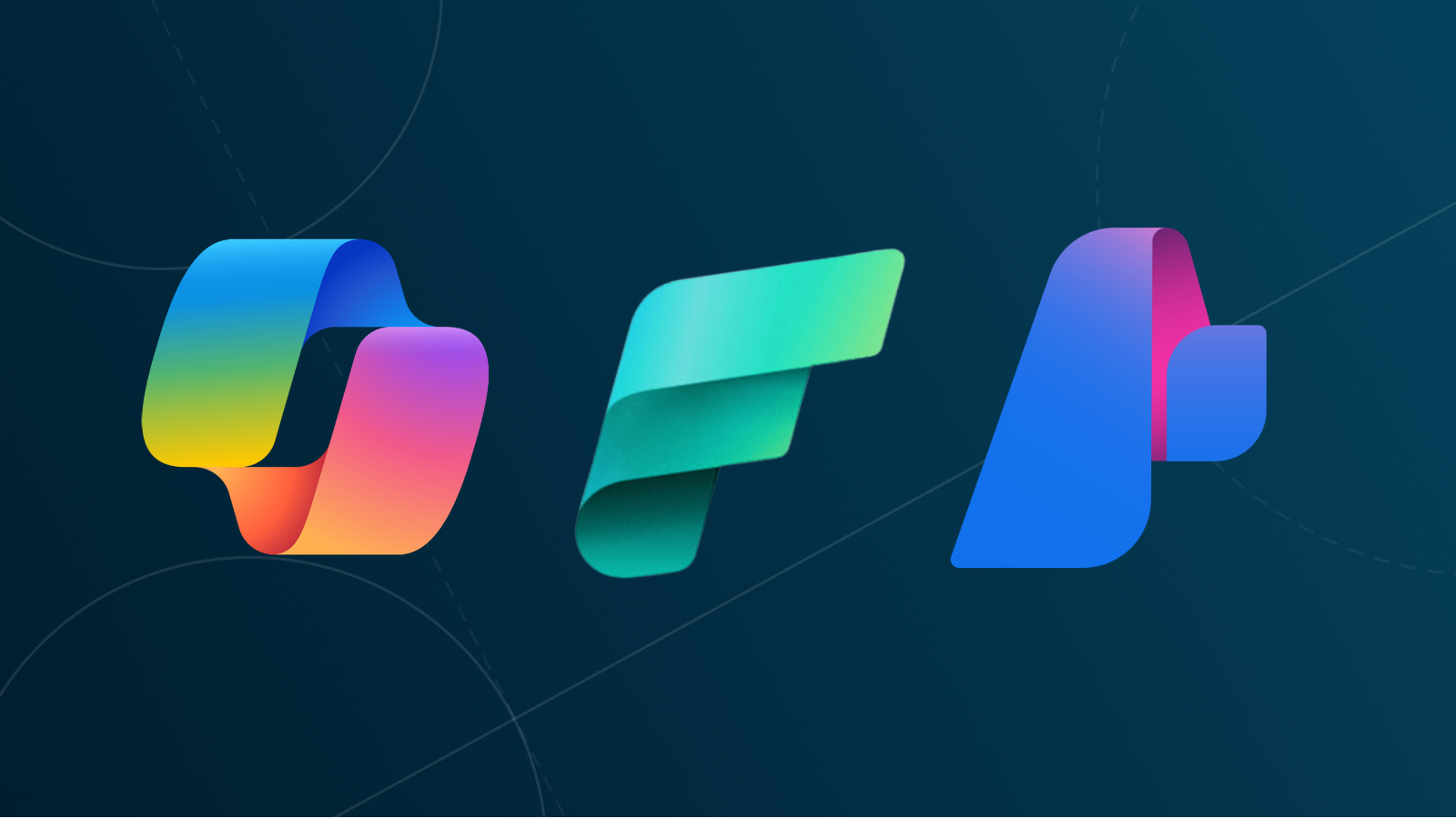
Right now, Microsoft IQ has three context layers:
- Work IQ
- Fabric IQ
- Foundry IQ
Who benefits most from Microsoft IQ?
The organisations likely to benefit most from Microsoft IQ are those looking to move beyond basic AI use cases.
The real opportunity lies in helping AI support decision-making, operational processes and end-to-end workflows.
Teams that will benefit most include:
- Sales teams managing complex customer relationships
- Project teams coordinating multiple stakeholders
- Operational teams handling large volumes of information
- Business analysts working with organisational data
- Leadership teams making strategic decisions
In reality, almost every knowledge worker can benefit when AI understands the context surrounding their work.
How Work IQ helps AI understand work
One of the most important components of Microsoft IQ is Work IQ. Think of it as the organisational memory of your business.
Work IQ helps AI understand how work actually happens by connecting information from meetings, conversations, emails, documents and collaboration tools.
Instead of simply locating information, Work IQ helps AI understand:
- Who owns a project
- Which stakeholders are involved
- Where decisions were made
- What actions are outstanding
- How teams collaborate
Rather than acting like a search engine, AI starts behaving more like a knowledgeable colleague who understands the wider context surrounding a task.
How Fabric IQ gives AI business context
Fabric IQ helps AI understand business data. Traditional AI can access data, but often lacks an understanding of what that data represents.
For example, an AI model might see a figure of £500,000 without understanding whether that number represents revenue, cost, profit, budget or forecast.
Fabric IQ adds business meaning to data.
It connects AI to:
- Business metrics
- Semantic models
- Organisational definitions
- Data relationships
- Performance indicators
This enables AI to understand not only what the data says, but why it matters. Instead of simply reporting figures, AI can interpret performance against business objectives and provide more meaningful insights.
How Foundry IQ keeps AI secure and governed
The third pillar of Microsoft IQ is Foundry IQ, which focuses on governance, security and organisational knowledge.
Enterprise AI must operate within clear boundaries. It needs to understand what information exists, who can access it, and how it should behave.
Foundry IQ helps ground AI in:
- Internal policies
- Governance frameworks
- Security controls
- Compliance requirements
- Organisational knowledge
Without this layer, AI introduces risk. With it, organisations can deploy AI with greater confidence and trust.
How Work IQ, Fabric IQ and Foundry IQ work together
The real value of Microsoft IQ emerges when these context layers operate together. Imagine a scenario where regional sales performance suddenly drops below target. A traditional AI assistant might flag the decline and produce a report, but an AI agent powered by Microsoft IQ goes much further.
Work IQ brings in the human context to surface the teams, projects and conversations connected to the issue.
Fabric IQ layers in business context, analysing performance data against sales targets and broader objectives.
At the same time, Foundry IQ ensures everything operates within the right guardrails, limiting access to authorised data and enforcing organisational policies.
The result is not just a summary, but a recommendation grounded in real context. Instead of presenting disconnected insights, AI combines human, business and governance context into a single, coherent view that’s far more useful for decision-making.
When should organisations start preparing?
The short and simple answer is now.
Not because Microsoft IQ is the latest technology trend, but because context is rapidly becoming the foundation of successful AI adoption.
Most organisations already have access to powerful AI tools. The next challenge is getting consistent value from them at scale.
That requires organisations to focus on:
- Data quality
- Information architecture
- Governance
- Security permissions
- Knowledge management
- Clear business processes
The organisations that invest in these foundations today will be best positioned to take advantage of the next generation of AI capabilities.
Is your organisation ready for context-aware AI?
As you move beyond experimentation and towards AI at scale, success will increasingly depend on the quality of your data, governance and business context.
If you’re exploring Microsoft Copilot, AI agents, Microsoft Fabric, or preparing your organisation for the next wave of AI innovation, getting those foundations right is what makes the difference.
We spend a lot of time with organisations who’ve already rolled out Copilot or started experimenting with AI, but aren’t seeing the value they expected.
If you’re in that position, we can help you work through it. Contact us below.